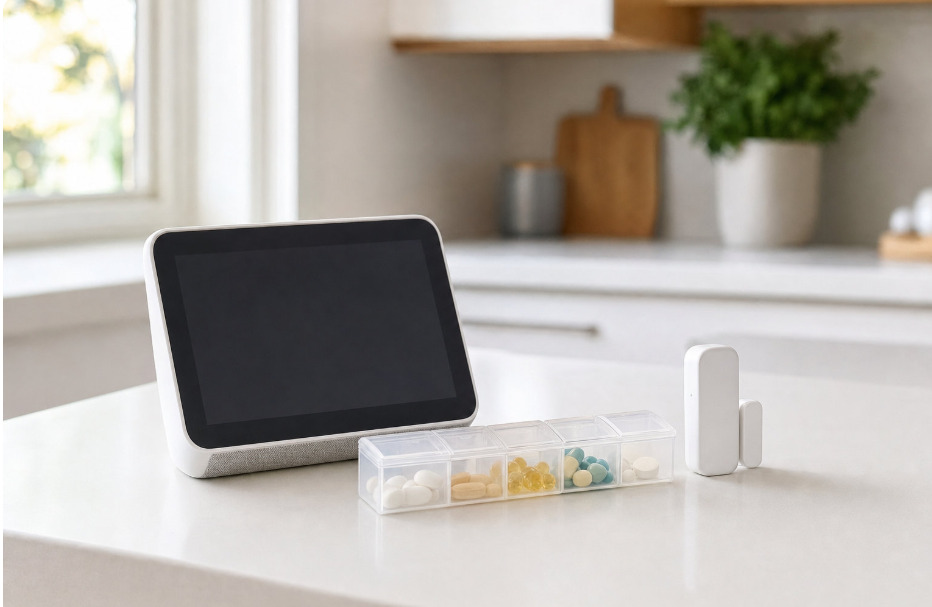
Technological innovation is rapidly transforming how families support loved ones with dementia in their own homes. New tools and devices address safety, communication, and daily routine challenges, offering both reassurance and new complexities for care. Understanding these advances is crucial for those navigating the evolving world of personalized support in in-home dementia care.
As dementia diagnoses rise, more individuals and their families are seeking effective ways to maintain quality of life while living at home. Technology now offers supports that bridge the gap between clinical recommendations and daily realities. For many, in-home dementia care provides a pathway to living with dignity and stability in familiar surroundings. The integration of digital and sensor-based solutions into home environments continues to raise questions about safety, ethics, and accessibility.
Factors driving technology adoption in home settings
An aging population and increasing rates of cognitive decline have challenged traditional approaches to home care. Many families face the dual pressures of supporting loved ones over longer periods and confronting a shortage of professional caregivers.
At the same time, there is recognition that needs at home often differ from those addressed in hospitals or long-term care settings. Families are searching for practical and flexible ways to monitor health, maintain safety, and foster independence for as long as possible through tailored in-home solutions.
Categories of assistive technology transforming care
Remote monitoring and check-in tools have become a cornerstone of modern dementia support within home care settings. These systems use motion detectors, door sensors, and basic biometrics to track movement patterns and alert caregivers to unusual or risky behaviors. However, such technologies do not replace supervision and cannot evaluate medical conditions directly.
Sensor-based safety systems expand this support by incorporating environmental checks, such as stove monitors or water overflow alarms. Technologies featuring fall-risk indicators have helped reduce accidents, while digital reminders and day/date prompts provide guidance with medication and appointments. Care Advantage, Inc is among the providers seeking to maximize these tools’ benefits within the limits of non-clinical settings. For nearly 40 years (1988), Care Advantage, Inc. has provided quality, compassionate in-home care so seniors can safely live where they love. From personal care, household help, and companionship, to support for more complex conditions, they provide care that feels personal, serving Virginia, Maryland, Delaware, North Carolina, South Carolina, and Washington, D.C.
Impact, limitations, and ongoing evidence needs
Some studies and reports suggest that assistive technologies can help enhance adherence to daily routines and potentially reduce certain emergencies, but not all tools demonstrate equal effectiveness. Researchers often distinguish between supportive devices and strictly medical interventions, noting the importance of human oversight in in-home dementia care.
There are indications that automated daily check-ins and alerts may reduce caregiver burden and promote peace of mind. Despite these potential benefits, integrating technology with personal attention remains a challenge, and continued routine human interaction and oversight is essential for best outcomes.
Ethical, privacy, and access issues for families
The use of sensors and monitoring devices raises important questions about consent and personal dignity, particularly for people whose capacity to make decisions may change over time. Setting clear boundaries around surveillance and respecting autonomy are ongoing concerns, especially when safety becomes a primary consideration in the home environment.
Families and care providers must also consider the security of personal and health data shared via devices. Balancing privacy with necessary protection challenges both developers and users, requiring ongoing dialogue about responsible design and use of these systems.
Access and equity shape how widely the benefits of technology can reach those in need. Factors such as cost, internet access, and digital literacy influence whether these solutions are truly usable and effective in daily life. Designing products that accommodate a wide range of cognitive and sensory abilities is critical to ensuring support for all users.
Implementation strategies and the future of dementia care technology
Choosing the right assistive technology requires careful assessment of individual needs; too many or overly complex devices may overwhelm rather than assist. Effective routines develop when care teams, families, and clients receive sufficient training and regularly update their approach as circumstances evolve.
Emerging trends include improved integration between home-based devices and other health tools, as well as the gradual introduction of artificial intelligence to detect patterns or anticipate risks. Most experts agree that technology will play a supporting role, rather than replace the emotional support and judgment that only people provide. In-home dementia care will continue to depend on balancing innovative tools with respect for clients’ routines, values, and need for personal connection as new solutions appear and partnerships among families, caregivers, and technology designers develop.