Efforts to scale bioprocessing operations expose uniquely complex challenges for biopharmaceutical companies. As the sector faces volatile demand and tighter development timelines, bridging the gap from small-scale experiments to robust production is critical for operational viability. This article discusses where scale-up efforts frequently encounter obstacles and presents practical, industry-informed strategies for sustainable bioprocess growth.
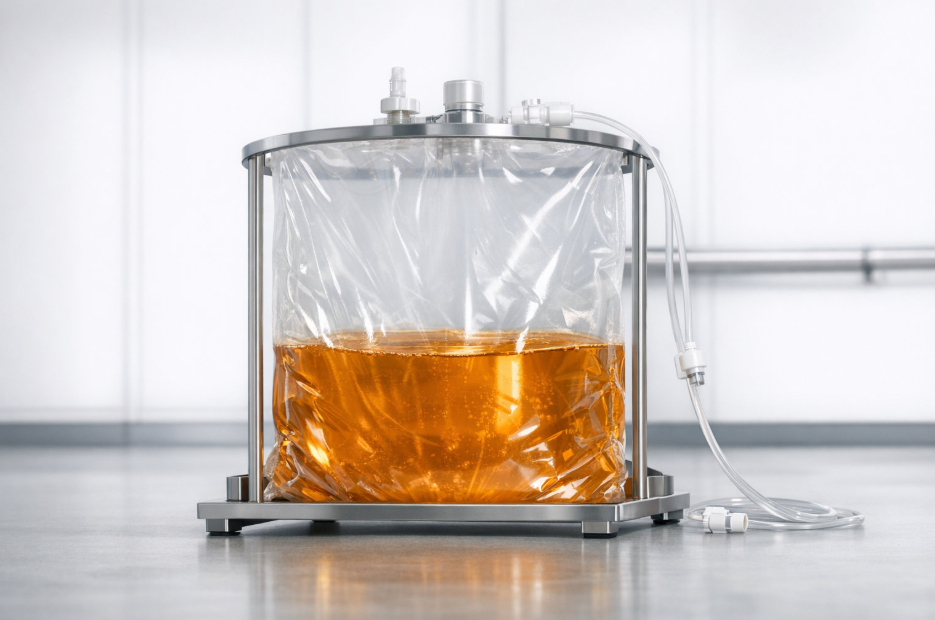
Bioprocess scalability is a central factor shaping innovation and manufacturing in the biopharmaceutical industry. Companies are under constant pressure to adapt to fluctuating production volumes and frequent product changeovers, requiring thoughtful approaches to process design and expansion. A single 100L bioprocess container deployed at pilot scale can highlight the challenges of transitioning from experimental to commercial production, with important decisions around throughput, workforce allocation, and maintaining consistent quality. For professionals navigating modern drug development, recognizing the specific pitfalls and available solutions around scaling is vital to reduce disruption risks and support regulatory compliance.
Defining scalability beyond simple volume increases
In bioprocessing, scaling extends beyond merely increasing batch size. Frequent shifts in market demand and the reality of high-mix, multiproduct facilities make flexibility a strategic requirement for both facility design and production planning. These conditions place expanded emphasis on the need for adaptable processes and infrastructure.
Successfully achieving scalability relies on maintaining product quality, flexible throughput, and effective use of personnel resources. These factors, beyond the absolute volume, demand processes and equipment that can accommodate operational changes without introducing new risks. Viewing scalability through this expanded framework enables organizations to evaluate their readiness for both anticipated and unexpected growth phases.
Addressing common failure points during scale-up efforts
One of the key scalability challenges is the handoff from development-scale protocols to full manufacturing. Differences in process kinetics, vessel geometry, and operator practices often lead to issues that only emerge during larger-scale operations. Even minor inconsistencies at this stage may result in variations in yield or unexpected process deviations.
Problems such as mixing limitations, mass transfer deficiencies, and shear sensitivity in cultures become more pronounced with increasing vessel size. Hold times in larger systems may also heighten risks of product degradation. Increased system complexity and a higher number of connections can complicate efforts to maintain sterility, often necessitating enhanced validation approaches. Additionally, scaling up sometimes reveals component incompatibilities or supply chain constraints that were not apparent at smaller scales.
Facility, documentation, and infrastructure bottlenecks
Physical limitations within manufacturing facilities, such as restricted cleanroom space and limited capability for rapid changeovers, can quickly become hurdles during expansion. As operations broaden, the time and resources required for changeovers may lead to significant productivity losses, potentially requiring redesigns of workflows and facility layouts.
Administrative burdens increase alongside growing batch record complexity and validation requirements. Managing expanding documentation and ensuring clear traceability may introduce delays into production scheduling. Furthermore, utilities like clean steam, water-for-injection, and waste handling must be properly scaled and monitored to prevent unanticipated facility service overloads that could disrupt plant operations.
Strategies for fluid management and scaling flexibility
Effective container and fluid management methods are critical to practical scalability at intermediate and large production scales. Modular equipment configurations and standardized fluid path connections enable agile adaptation to production changes and help mitigate contamination or operational errors. These modular systems also support accelerated changeovers and incremental capacity increases without extensive facility modifications.
Managing cold-chain logistics and controlled storage is especially important at intermediate process steps for sensitive biologics. Utilizing reusable or single-use bioprocess containers with standardized design can help streamline storage and product transfer, decreasing the chance of material incompatibility. Standardized containers also contribute to process comparability, which is often required for regulatory consistency across diverse batches and facility locations.
Integrating risk management and digital process controls
Mitigating batch variability and maintaining process reliability requires robust control strategies addressing operator practices and raw material differences. Regular evaluation of extractables, leachables, and process material compatibility is necessary to minimize unforeseen interactions during scale transitions.
Implementing real-time monitoring and digital traceability within production environments can assist with early identification of process drift. These digital tools help facilitate prompt detection of issues that might affect product quality, while electronic records support regulatory reviews, comparability assessments, and timely documentation during scale-up. Careful adoption of such systems strengthens the operation’s ability to address fluid handling challenges and maintain resilient production as scale increases.