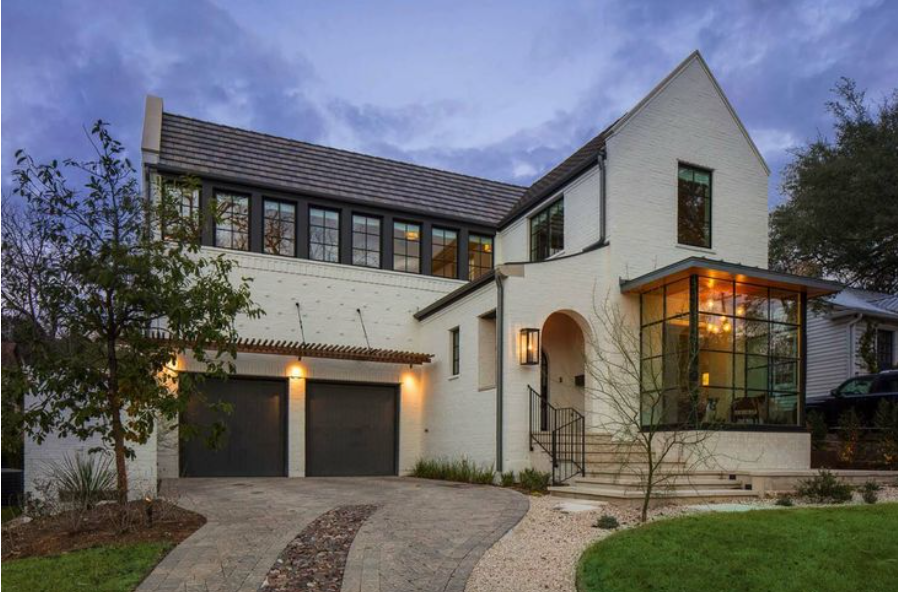
Texas is a big state with even bigger weather challenges. From the scorching summer sun in Dallas to the heavy humidity in Houston and the dry winds of West Texas, our homes take a beating. One of the best ways to protect your house and keep it looking great is a fresh coat of paint.
However, painting a house isn’t as simple as picking a color and grabbing a brush. If you want the job to last, you need to understand the costs, the timing, and how the Texas climate plays a role.
This guide will walk you through everything you need to know about budgeting for an exterior paint job in the Lone Star State.
Why the Texas Climate Matters for Your Paint
In many parts of the country, a paint job might last ten years. In Texas, the “Sun Belt” heat can trim that time down significantly. The intense UV rays act like sandpaper, slowly wearing down the chemical bonds in the paint.
Heat and Fading
The Texas sun is famous for fading dark colors. If you paint your home a deep navy blue or a dark charcoal, you might notice it looking dull after just a few summers. Most experts suggest lighter colors like tan, beige, or light grey because they reflect heat rather than absorbing it. This keeps your home cooler and helps the paint last longer.
Humidity and Mildew
If you live near the Gulf Coast, humidity is your biggest enemy. High moisture levels can lead to mold and mildew growing on your siding. When you hire exterior house painters, they must ensure the surface is completely dry and treated for mildew before the first drop of paint touches the wall. If they paint over moisture, the paint will bubble and peel within months.
Breaking Down the Costs
When you start looking for quotes, you might notice a wide range of prices. On average, painting a standard two-story home in Texas can cost anywhere from $3,000 to $7,000. But what exactly are you paying for?
1. Labor (The Biggest Expense)
About 70% to 80% of your total bill goes to labor. Painting a house is hard work. It involves climbing tall ladders, standing on hot roofs, and spending hours under the sun. Professional painters also spend a lot of time on “prep work,” which includes scraping off old paint, sanding rough spots, and caulking gaps.
2. Materials and Paint Quality
Don’t try to save money by buying cheap paint. In Texas, you need high-quality, “high-build” acrylic latex paint. These paints are flexible, meaning they can expand and contract as the temperature changes from 100°F in the afternoon to 60°F at night without cracking.
3. The Size and Material of Your Home
A brick home requires less paint than a wood-sided home because you usually only paint the trim and shutters. However, if you are painting the brick itself, it requires a special primer and more “milage” (total gallons) because brick is porous and soaks up liquid like a sponge.
The Importance of Professional Estimating
For a single-family home, a local contractor can usually give you a quote in a few minutes. But what if you are managing a larger project? Perhaps you are a developer building a row of new homes, or a property manager overseeing a large apartment complex in Austin or San Antonio.
In these cases, “guessing” the cost isn’t good enough. This is where construction estimating services Texas become vital. Professional estimators use advanced software and local market data to provide a “takeoff.”
A takeoff is a detailed list of every single material needed from the number of gallons of primer to the rolls of painter’s tape—and the exact labor hours required. For large-scale renovations, having an accurate estimate prevents you from running out of money halfway through the project.
The Best Time of Year to Paint in Texas
Timing is everything. You cannot paint when it is too cold, too hot, or too wet.
- Spring: This is the most popular time. The weather is mild, which allows the paint to dry at a steady rate. However, spring is also the rainy season. If a surprise thunderstorm hits while the paint is wet, it can ruin the finish.
- Summer: Most painters try to start very early in the morning (around 6:00 AM) to beat the 100-degree heat. If it’s too hot, the paint dries too fast and won’t “level out” smoothly, leaving brush marks.
- Fall: Many professionals believe late September through November is the best time for Texas painting. The humidity drops, the hurricane season slows down, and the temperatures stay in the “sweet spot” of 60°F to 80°F.
- Winter: You can paint in the winter, but only on days when the temperature stays above 50°F. If it drops below freezing at night, it can mess up the curing process of the paint applied that afternoon.
Steps to a Perfect Paint Job
If you want your budget to go as far as possible, make sure your painters follow these steps:
Step 1: Power Washing
You can’t paint over Texas dust and pollen. A thorough power wash removes dirt and chalky residue from the old paint.
Step 2: Scraping and Sanding
Any paint that is currently peeling must be removed. If you paint over peeling paint, the new layer will just fall off with the old one.
Step 3: Caulking and Repairs
Texas homes shift because of the clay soil. This causes cracks around windows and doors. High-quality caulk seals these gaps to keep water out and keep your air conditioning in.
Step 4: Priming
If you are changing colors significantly or painting over bare wood or new masonry, a primer is a must. It acts as the “glue” that holds the topcoat to the house.
Step 5: The Topcoat
Usually, two coats are recommended for the best protection against the sun.
How to Save Money Without Cutting Corners
Everyone wants a deal, but with home maintenance, “cheap” often becomes “expensive” later. Here is how to save wisely:
- Do the Cleanup Yourself: Ask the contractor if you can save a few dollars by moving the patio furniture and trimming back the bushes yourself before they arrive.
- Pick a Similar Color: If you stay close to the original color of the house, the painters might only need one thick coat instead of three, which saves on material and time.
- Repair Wood Early: If you see a piece of rotting wood on your trim, fix it now. If you wait until the whole house needs painting, you might have thousands of dollars in wood repairs added to your bill.
- Check for Insurance: Always make sure your painters have insurance. If a worker gets hurt on your property and the company isn’t insured, you could be responsible for the medical bills. A lower price is never worth that risk.
Conclusion
Painting your home in Texas is one of the most important maintenance tasks you can do. It protects your siding from the brutal sun and prevents moisture from rotting your frame. By understanding the costs of hiring professionals and the benefits of using expert estimating services for larger projects, you can ensure your home stays beautiful for years to come.
Whether you have a small cottage or a large estate, remember: preparation is 90% of a good paint job. Take the time to budget correctly, choose the right season, and hire the right team. Your home and your wallet will thank you.