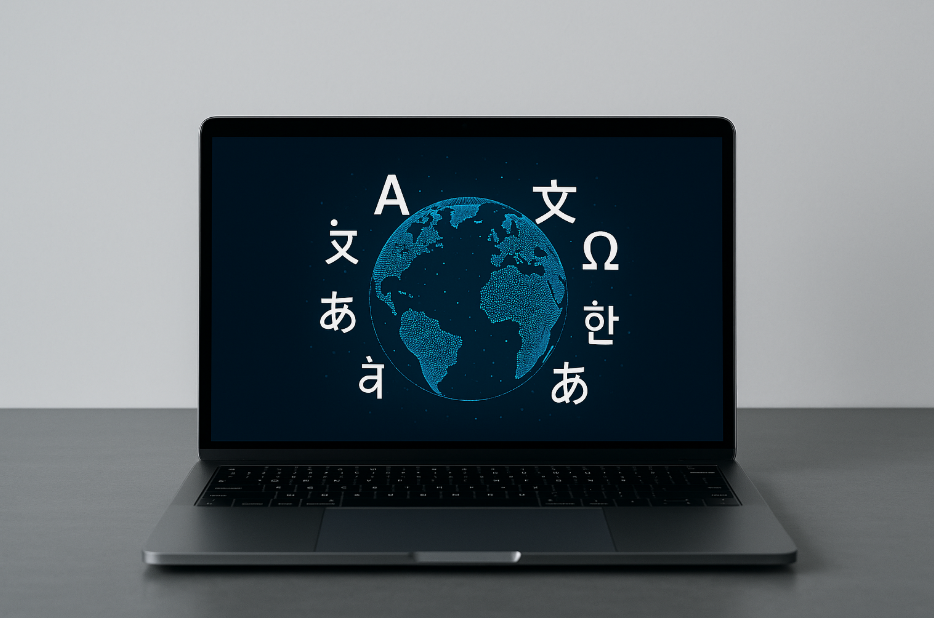
International academic collaboration is essential for driving innovation and progress. Language barriers often impede the seamless exchange of knowledge among researchers worldwide. AI-powered language solutions can help academia overcome these challenges and foster more effective partnerships.
In today’s interconnected world, the significance of international collaboration in academia is undeniable. Scholars from different parts of the globe bring diverse perspectives that enrich research and lead to significant discoveries. However, language differences can hinder effective communication among researchers. AI offers sophisticated tools to address these barriers, enabling academic institutions to facilitate communication across various languages. By utilizing enterprise translation software, language differences no longer impede academic progress.
The importance of multilingual collaboration in academia
As globalization continues to shape the academic landscape, collaborations between universities in different countries are becoming increasingly common. These partnerships allow institutions to pool resources and expertise to address global challenges. However, language barriers often pose significant challenges, making effective communication difficult. Researchers may struggle to share their findings or methodologies with peers who speak different languages, which can slow down the pace of innovation.
Given the diversity of languages spoken worldwide, relying solely on English as the medium of scholarly communication is insufficient. Many important studies are conducted in non-English-speaking countries, and their findings might remain inaccessible to a broader audience due to language constraints. Therefore, there is a pressing need for effective multilingual collaboration tools that bridge this gap and enhance the accessibility of research across linguistic boundaries.
Transforming communication with AI-powered language solutions
AI technologies have significantly improved language translation, offering tools that enhance the accuracy and speed of translations. These AI-powered solutions use machine learning algorithms to understand context and nuances in language, providing translations that are both precise and culturally relevant. This allows researchers to communicate their findings clearly, regardless of their native language.
In academic settings, various AI tools are being used to improve communication among researchers. These include real-time translation applications that enable seamless participation in discussions with international peers. Additionally, AI-powered platforms can translate complex scientific texts and papers accurately, making it easier for researchers to access and engage with global research literature. By integrating these tools into everyday academic workflows, institutions can ensure that language is no longer a barrier to collaboration.
Benefits of AI in academic collaboration
The integration of AI in academic collaboration offers several benefits. It enhances the accuracy and speed of translations, allowing researchers to focus on the substance of their work rather than linguistic errors. This efficiency enables quicker dissemination and exchange of ideas across borders. Moreover, AI facilitates the sharing of research findings and methodologies globally by providing translations that capture the intricacies of scientific discourse.
Successful international collaborations enabled by AI demonstrate its potential in overcoming language barriers. Joint research projects between universities in different countries have thrived due to AI-powered translation tools that allow seamless communication. By adopting these technologies, institutions create an environment where knowledge flows freely across linguistic divides, leading to more robust and impactful research outcomes.
Future prospects for AI-driven language technologies
The future holds exciting possibilities for advancements in AI language technologies that will further dismantle language barriers in academia. Continued improvements in machine learning models will enhance the precision and cultural sensitivity of translations. As these technologies evolve, more seamless integration into academic processes is expected.
The evolving role of AI suggests a future where multilingual academic collaborations are standard practice rather than an exception. By embracing these innovations now, academic institutions position themselves at the forefront of global research initiatives. The potential for significant discoveries becomes limitless when technology unites diverse minds in pursuit of shared goals.
Encouraging institutions to adopt AI solutions
The positive impact of AI on academic collaboration is clear; it enables researchers from diverse linguistic backgrounds to work together effectively. By adopting AI-powered translation tools, institutions can foster an environment where knowledge knows no boundaries. Encouraging the integration of these technologies ensures that language differences do not impede progress.
As you look forward to expanding your academic horizons through international partnerships, consider how AI solutions can enhance your efforts. By investing in advanced translation technologies today, institutions pave the way for more inclusive and dynamic global collaborations tomorrow.
